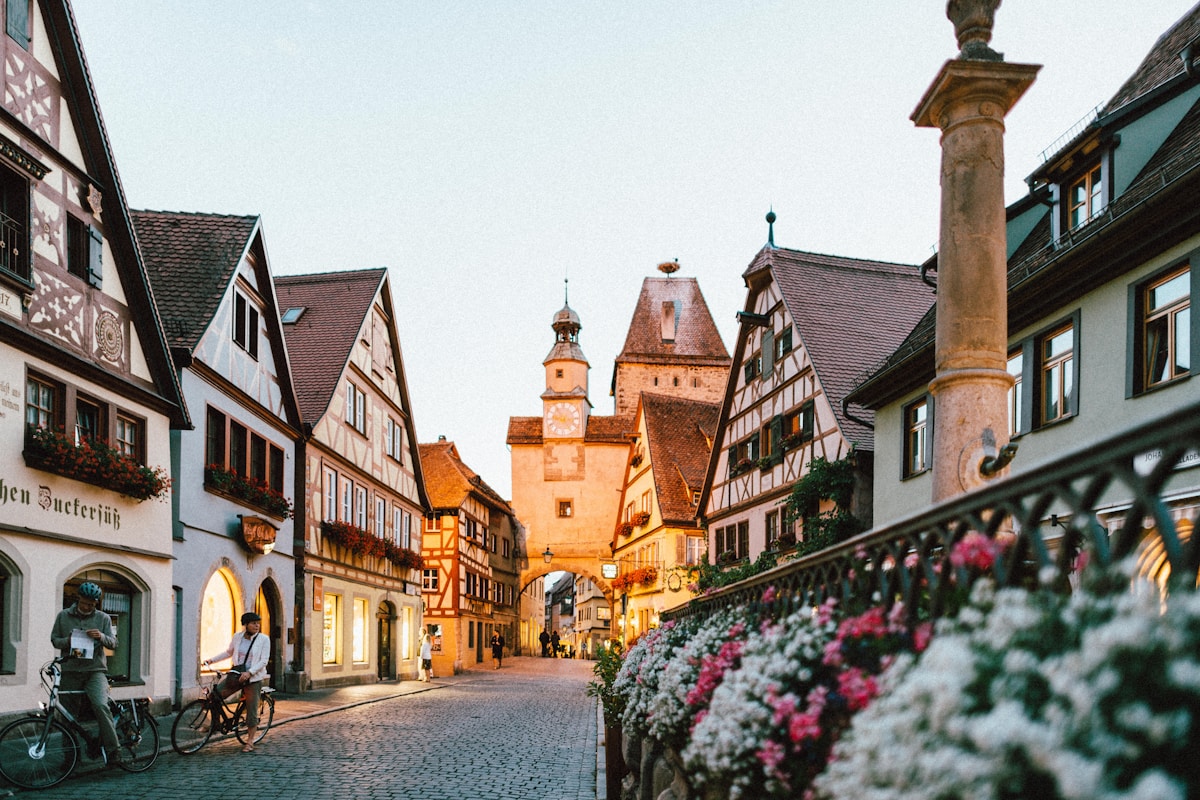
German Food Traditions: From Bratwurst to Bread Culture
German Food Culture — Far More Than Sausage and Beer
When most people think of German food, bratwurst, sauerkraut, and large steins of beer come to mind. While these are certainly part of the picture, the reality of German food culture is far richer, more diverse, and more surprising than the stereotypes suggest. German culinary traditions vary dramatically by region, stretch back centuries, and continue to evolve in exciting ways.
This article takes you on a journey through the many dimensions of German food — from the world’s most diverse bread culture to modern gastronomic innovation.
Brot Culture — The World’s Greatest Bread Tradition
Over 3,000 Types of Bread
German bread culture is on the UNESCO Intangible Cultural Heritage list, and for good reason. The country recognizes over 3,200 distinct types of bread, making it by far the world’s most diverse bread nation. German bakers are not just craftspeople — they are artists working with flour, water, and time.
Unlike many countries where white wheat bread dominates, German bread culture places whole grain and rye breads at center stage. Dark, dense Vollkornbrot is a staple of the German breakfast table, and its flavor develops and improves over the course of several days.
The Most Famous Varieties
- Pumpernickel — an extremely dark, slightly sweet rye bread from Westphalia, baked at low temperatures for up to 24 hours
- Brezel (pretzel) — the salty, glossy twisted bread that is especially iconic in Bavaria
- Brötchen — crisp breakfast rolls eaten fresh every morning
- Roggenmischbrot — rye-wheat mixed bread, Germany’s best-selling bread type
Germans even have different regional words for breakfast rolls: Brötchen, Semmel, Schrippe, or Weck. The word you use immediately reveals which part of Germany you come from.
Regional Food Traditions
Bavaria — Hearty and Traditional
Bavarian cuisine is the most internationally recognized face of German food. Weisswurst (white sausage) is traditionally eaten before noon, served with sweet mustard and a pretzel. Schweinshaxe (roasted pork knuckle) is the centerpiece of festive meals, and Knödel (potato or bread dumplings) accompany almost every traditional dish.
Northern Germany — Maritime Flavors
In the north, fish and seafood take center stage. Matjes (pickled herring), Labskaus (a sailor’s stew of corned beef, potato, and beetroot), and Fischbrötchen (fish sandwiches) are everyday favorites in Hamburg and Bremen. Northern German cuisine tends to be simpler and more salt-forward than the rich dishes of the south.
The Rhineland and Pfalz
Rhineland cuisine is known for Sauerbraten — a pot roast marinated in wine vinegar for several days before cooking. The Pfalz region is Germany’s wine country, and its local cuisine blends French influences with German tradition in delightful ways.
Saxony and Thuringia
Eastern Germany’s most famous contributions include the Thüringer Bratwurst — a herb-spiced grilled sausage — and Dresdner Stollen, a festive fruit bread that has been baked since the 15th century and is synonymous with German Christmas.
Beer Culture and the Reinheitsgebot
The World’s Oldest Food Law
German beer culture is built on the Reinheitsgebot, the beer purity law enacted in 1516. This oldest food regulation still in effect originally dictated that beer could only be brewed from water, barley, and hops. Yeast was later added to the approved list once its role in fermentation was understood.
The Beer Landscape
Germany is home to over 1,500 breweries producing more than 5,000 different beer brands. Each region has its own favorites:
- Pils (pilsner) is Germany’s most popular beer style, especially dominant in the north
- Weizenbier (wheat beer) is Bavaria’s pride — cloudy, fruity, and refreshing
- Kölsch is Cologne’s exclusive specialty, legally only brewed and served within the city
- Rauchbier (smoked beer) from Bamberg has a unique, smoky character unlike any other
- Altbier is Düsseldorf’s traditional dark ale
Germans drink beer appreciatively and socially, not as a means to intoxication. The culture of beer in Germany is about craftsmanship, regional pride, and convivial enjoyment.
Meal Rhythms and Dining Customs
The Traditional Meal Structure
The German approach to daily meals differs from many other countries:
- Frühstück (breakfast) is a substantial affair: bread, cold cuts, cheese, jam, and a boiled egg
- Mittagessen (lunch) is traditionally the main meal of the day — hot and hearty
- Abendbrot (evening bread) is literally “evening bread” — a cold meal of bread with cold cuts and cheese
Abendbrot is one of the most distinctive features of German food culture. While most countries treat dinner as the biggest meal of the day, Germans often keep their evening meal simple and cold.
Coffee and Cake
Kaffee und Kuchen — coffee and cake — is a sacred German tradition. In the afternoon, around 3 to 4 PM, Germans sit down with coffee and homemade cake or pastry. Schwarzwälder Kirschtorte (Black Forest cake), Apfelstrudel, and Bienenstich (bee sting cake) are classic choices for this beloved daily ritual.
Christmas Market Food
German Weihnachtsmärkte (Christmas markets) represent a culinary experience at its finest. Throughout December, town squares fill with stalls offering:
- Glühwein — hot mulled wine, the undisputed king of Christmas market beverages
- Bratwurst — grilled sausage in a roll with mustard
- Lebkuchen — spiced gingerbread-like treats originally from Nuremberg
- Kartoffelpuffer — crispy fried potato pancakes served with sour cream or applesauce
- Gebrannte Mandeln — caramelized almonds whose sweet aroma fills the entire market
- Stollen — rich, fruit-studded Christmas bread dusted with powdered sugar
Christmas markets are a feast for all the senses, and food is their beating heart.
Modern German Cuisine
German food culture has not stood still. Over the past few decades, the country has experienced a gastronomic revolution. Berlin and other major cities boast a thriving, internationally influenced restaurant scene, and Germany has over 300 Michelin-starred restaurants.
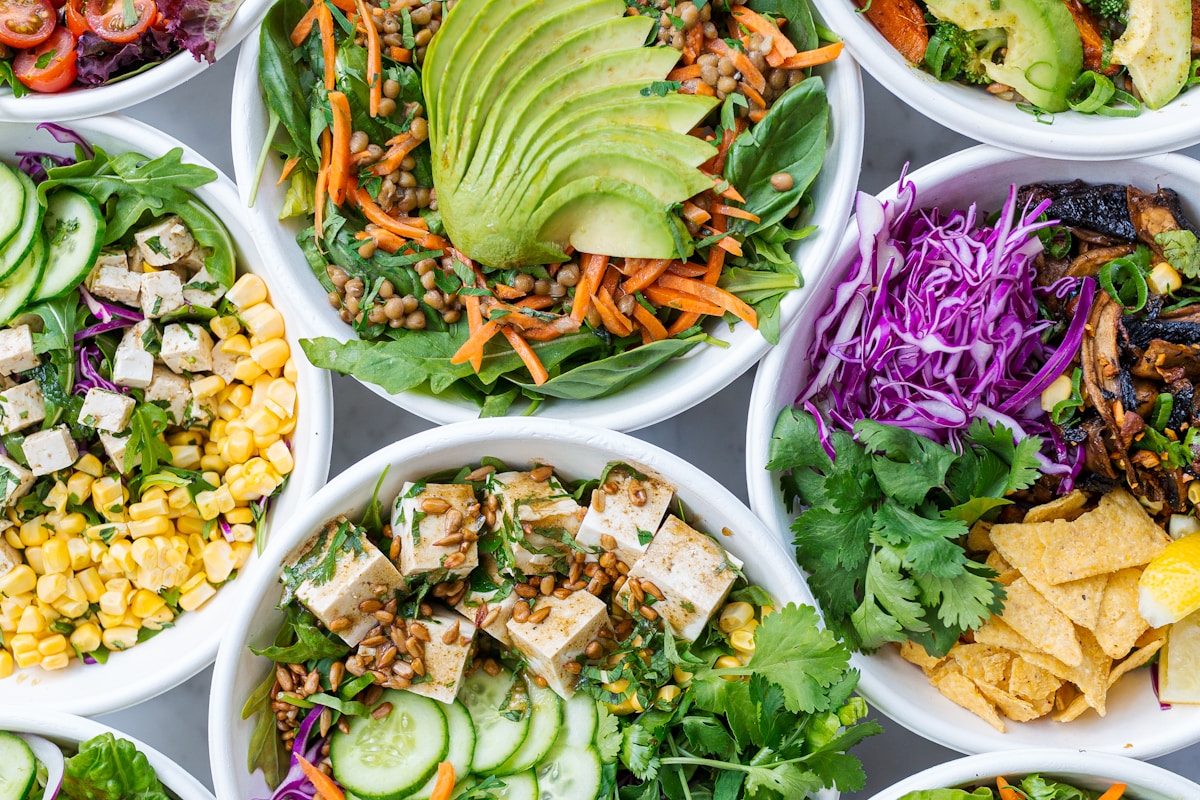
Vegetarian and vegan eating have grown explosively, and Germany is one of the world’s largest markets for vegan products. Berlin is widely regarded as Europe’s vegan capital.
Meanwhile, Turkish-German cuisine has permanently reshaped the German food landscape. The döner kebab is Germany’s best-selling fast food, and its story is woven into the broader narrative of German multiculturalism.
Summary
German food culture is astonishingly diverse and regionally rich. The bread tradition is the world’s most extensive, beer culture is rooted in centuries of craftsmanship, and regional specialties offer endless culinary discovery. Whether you are savoring a Bavarian Weisswurst, biting into a northern Fischbrötchen, or warming your hands around a mug of Glühwein at a Christmas market, German food is a journey into the heart of the nation.