German Culture: A Comprehensive Guide from Traditions to Today
Understanding German Culture
Germany is Europe’s most populous nation and one of the world’s most influential cultural powerhouses. From philosophy and classical music to engineering and environmental innovation, German culture has shaped the world in ways both visible and subtle. But beyond the stereotypes of beer, sausages, and efficiency lies a deeply layered society with rich regional diversity and evolving modern identity.
This guide explores what German culture really means — the values that drive it, the social norms that define it, and the regional differences that make it endlessly fascinating.
Core German Values and Mentality
Pünktlichkeit — Punctuality as a Way of Life
If there is one cultural value that defines Germany above all others, it is Pünktlichkeit — punctuality. Being on time is not merely polite in Germany; it is a deeply ingrained expectation. Meetings start precisely when scheduled, trains are expected to run on the minute, and arriving late is considered disrespectful of other people’s time.
This emphasis on punctuality reflects a broader value system centered on reliability and respect. When a German says they will be somewhere at 14:00, they mean 14:00 — not 14:05 or 14:10.
Ordnung muss sein — Order Above All
Ordnung, meaning order or organization, is another pillar of German culture. This manifests everywhere: Germany has one of the world’s most elaborate waste sorting systems, bureaucracy is thorough and detailed, and rules are followed with remarkable consistency. Germans value clear structures and processes, and this systematic approach has been a key driver of the country’s economic success.
The phrase “Ordnung muss sein” (there must be order) is both a cultural motto and a daily reality.
Direktheit — Straightforward Communication
Germans are known for their directness. Unlike cultures where messages are wrapped in diplomatic language, Germans tend to say exactly what they mean. This is not rudeness — it is an expression of honesty and efficiency. If a colleague tells you your presentation needs work, they are offering genuine feedback, not attacking you personally.
For Finns and other Northern Europeans, this trait often feels familiar and refreshing. Both cultures share a preference for substance over small talk.
Regional Diversity — Many Germanys in One Country
Germany only unified in its current form in 1990, and regional identities remain remarkably strong. For centuries, Germany consisted of hundreds of small states, and this history is visible in the cultural diversity that exists to this day.
North vs. South
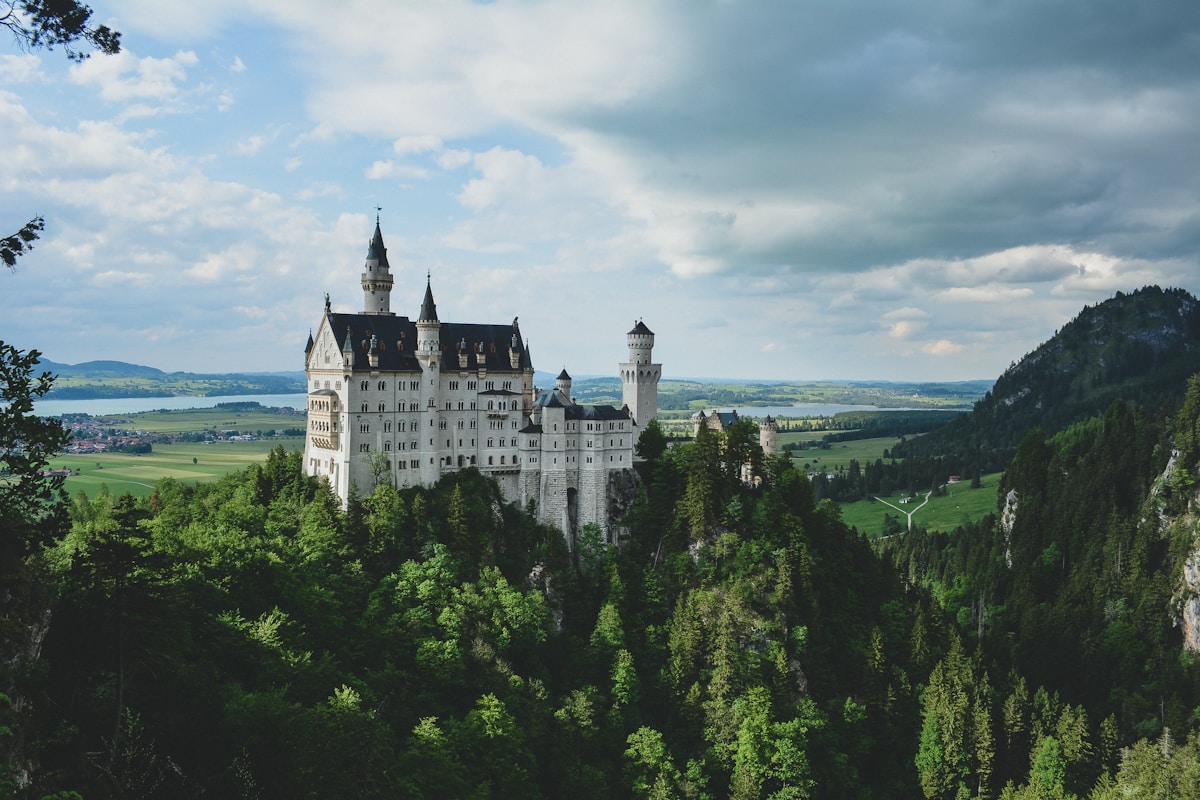
Northern Germany is more reserved and Scandinavian in character. Hamburg, Bremen, and Schleswig-Holstein exude maritime culture, and northerners are often described as cool but dependable. Southern Germany, particularly Bavaria and Baden-Württemberg, is warmer in temperament, more visibly traditional, and fiercely proud of local identity. Many Bavarians consider themselves Bavarian first and German second.
East and West
Decades of division left marks that are still visible today. The former East German regions, such as Saxony and Thuringia, carry their own cultural identity shaped by a very different historical experience. Berlin stands as a unique blend of both traditions — a city where history and the future collide on every street corner.
The Rhineland and Ruhr
The Rhineland is known for its cheerful, outgoing residents and vibrant carnival traditions. The legendary rivalry between Cologne and Düsseldorf is a source of endless amusement. The Ruhr area, once Germany’s industrial heartland, has reinvented itself as a center of culture and innovation.
Social Norms and Everyday Culture
Greetings and Formality
German culture maintains a strong distinction between formal and informal address. The formal Sie is used with all unfamiliar adults, and the transition to the informal du is a conscious step that is not taken lightly. In many workplaces, colleagues may use Sie with each other for months or even years before switching.
Sunday Rest
Ruhesonntag, or Sunday rest, is taken seriously in Germany. Shops are closed, noisy activities are avoided, and disturbing your neighbors on a Sunday can result in complaints or even fines. This tradition has both religious and labor-law roots, and Germans continue to value their Sundays as genuine days of rest.
The Pfand System
Germany is a pioneer in its bottle and can deposit system. The Pfand system covers nearly all beverage containers, and the return rate is among the highest in the world. This reflects both German environmental consciousness and a practical, systematic approach to recycling.
Modern Germany — Balancing Tradition and Progress
Economic Powerhouse
Germany is Europe’s largest economy and the world’s fourth largest. Mittelstand companies — small and medium-sized family businesses — form the backbone of the German economy. Many of these firms are global market leaders in their specialized fields, even if they are unknown to the general public.
Cultural Investment
Germany invests more in cultural support than almost any other nation. The country has over 6,000 museums, 820 theaters, and 130 professional orchestras. The Goethe-Institut serves as a worldwide ambassador for German language and culture, offering language courses and cultural events in over 150 countries.
A Multicultural Society
Modern Germany is a multicultural society. Roughly a quarter of the population has an immigration background, and this diversity is especially visible in major cities through food, art, and everyday life. The döner kebab is now as German as bratwurst, and Turkish-German culture is an inseparable part of modern German identity.
Cultural Institutions and Learning
For anyone interested in exploring German culture further, Germany’s official cultural portal deutschland.de offers comprehensive coverage of the country’s society, culture, and politics in multiple languages. It is an excellent starting point for cultural exploration.
Germany’s higher education system is among the world’s most respected, and its universities offer tuition-free degree programs to international students as well. This reflects the German view of education as a common good that should be accessible to all.
German Culture Through Nordic Eyes
For Finns and other Nordic people, German culture often feels both familiar and different in intriguing ways. Both cultures value punctuality, honesty, and hard work. Direct communication styles and respect for rules are shared traits.
At the same time, fascinating differences emerge. German workplace hierarchy, the formal address tradition, and strong regional identities contrast with the more egalitarian and uniform Nordic approach. These differences make cross-cultural exchange especially enriching and rewarding.
Summary
German culture is far more than bratwurst, beer, and Oktoberfest. It is a complex tapestry woven over centuries, where tradition and modernization walk hand in hand. Pünktlichkeit, Ordnung, and Direktheit form the foundation of values, but the true richness of German culture lies in its regional diversity, its deep investment in the arts, and its continuous capacity for reinvention.
Learning German opens the door to this rich cultural world — and helps you understand why Germany has been at the heart of Europe for centuries.